







Search Results for: Green Coffee Post-Processing

A coffee shop in Fuzhou accidentally germinated raw beans by soaking them in lactic acid bacteria, sparking debate over whether sprouted coffee beans are safe to drink.
Recently, a coffee shop in Fuzhou tried soaking green coffee beans in a lactic acid bacteria solution for post-processing, but unexpectedly, the beans sprouted. The owner decided to wash and dry this batch of sprouted beans and then roast them to test the flavor. After the incident was reported by the Straits Metropolis Daily, it quickly sparked discussions among netizens: Can sprouted coffee beans be consumed? Is there a risk of contamination by miscellaneous bacteria? Can sprouted green coffee beans grow into coffee trees? This article will sort out the sequence of events, invite professionals to answer various questions about the safety, flavor changes, and post-processing techniques of sprouted coffee beans, and provide a comprehensive understanding of this novel experiment in the coffee community. [more…]
A Comprehensive Analysis of Catimor Coffee Beans: Flavor Characteristics, Grinding Parameters, and Processing Methods
Catimor is a variety widely planted in Asian coffee-producing regions. It is favored by growers for its advantages such as cold tolerance, disease resistance, and high yield, but its flavor performance is often considered insufficiently delicate. With advances in cultivation techniques and post-processing methods, Catimor's cleanliness and image have improved somewhat. This article will systematically introduce Catimor's varietal origins, flavor characteristics, the development history of Yunnan Catimor, and Front Street Coffee's practical experience in variety selection and brewing parameters, helping coffee enthusiasts gain a comprehensive understanding of this variety's past and present. [more…]
An In-Depth Look at Indonesia's Wet-Hulling Method: From Process Principles to Peaberry Beans, Unlocking the Semi-Washed Secret Behind Mandheling Flavor
The rich, deep, low-toned flavor of Mandheling comes not only from the genetic contribution of Robusta beans, but also from a unique post-harvest processing technique local to Indonesia—wet hulling. How exactly does this process, jokingly called "semi-washed," remove the parchment layer early, before the green coffee beans are fully dried? Why did Indonesian producing regions invent this processing method to suit local conditions? What details are hidden in each step of the entire process, from flotation, fermentation, drying, hulling, to final drying? Are the "sheep's hoof beans" produced by wet hulling truly the creators of Mandheling's flavor? In this article, Front Street will guide you through the operational logic of wet hulling, clarify common misunderstandings, and restore the true face of this processing method. [more…]
An Analysis of the Differences Among Black Honey, Red Honey, and Yellow Honey Processing: A Comprehensive Comparison from Pectin Retention to Flavor Expression
In the field of coffee post-processing, honey processing is an important method that falls between washed and natural, and is widely used in Central American producing regions such as Costa Rica. Depending on the proportion of mucilage retained, the drying time, and the frequency of turning, honey processing can be further divided into several tiers, including black honey, red honey, and yellow honey. Using three beans—black honey, red honey, and yellow honey—as samples, this article conducts a systematic comparison from green bean appearance and roasting curves to cupping flavors, helping coffee enthusiasts understand the practical impact of different honey processing methods on the final flavor direction, while also providing a reference for everyday purchasing and brewing. [more…]

From a Seed to a Cup of Coffee: A Complete Analysis of the Coffee Bean Life Cycle and Processing Techniques
Have you ever been like Front Street Coffee, filled with curiosity about the story behind the cup of coffee you drink every day? From the seed first planted to the final rich aroma in the cup, a coffee bean must go through multiple stages: cultivation, picking, post-processing, transportation, roasting, grinding, and extraction. The Arabica coffee tree has strict requirements for its growing environment—temperature, rainfall, altitude, and soil are all indispensable. After picking, the coffee cherries must also undergo processing such as sun-drying before they become green beans, and then through roasting they develop their captivating flavors. This article will take you through the complete journey of a coffee bean from the field to the cup, helping you understand how each step affects the final flavor. [more…]
Where does the floral aroma in coffee come from? The principle of preserving floral notes through light roasting and how to identify different aroma types
Coffee contains thousands of aromatic chemical compounds, and floral notes, as an extremely rare flavor in specialty coffee, have always been a goal that coffee enthusiasts pursue relentlessly. The formation of floral notes involves multiple stages such as variety, cultivation, and post-processing, but the degree of roasting is particularly crucial to the intensity of floral notes. As the roast deepens, floral aromatic compounds are gradually worn away, so light to medium roasts better preserve this delicate aroma. The freshness of coffee beans is equally important—proper storage and timely consumption allow the floral notes to present themselves more fully. This article will systematically sort out the sources of floral notes, the relationship between roasting and floral notes, and how to distinguish floral notes of different tonalities, and recommend several Front Street Coffee beans with typical floral characteristics, helping you better capture this captivating flavor in brewing and tasting. [more…]
A Complete Analysis of the Origin, Cultivation History, and Flavor Characteristics of Yunnan Geisha Coffee
Geisha coffee has swept the globe with its rich floral aroma and complex fruity acidity reminiscent of citrus and peach. Its delicate varietal characteristics and demanding growing conditions make it scarce and expensive. This article traces Geisha's journey from Hacienda La Esmeralda in Panama to the world, and ultimately its introduction to Yunnan, China. It examines the starting point of Geisha cultivation in Yunnan, the lineage of its seed sources, and its varietal performance, while comparing how the terroir differences between Panama and Yunnan shape the flavors in the cup. The article also covers Front Street Coffee's cupping impressions of Yunnan Geisha, as well as the role of post-processing methods such as anaerobic fermentation in enhancing body. [more…]
What Exactly Is the Difference Between Robusta and Arabica? A Comprehensive Comparison from Origin and Flavor to Espresso Blends
Robusta and Arabica are the two most frequently compared coffee varieties in the coffee world. The former accounts for about forty percent of global production, is highly adaptable, and has a high caffeine content, yet has long been burdened by the stereotype of being rough and bitter; the latter occupies the mainstream of specialty coffee with its delicate and varied flavors. This article breaks down, one by one, their botanical characteristics, chemical composition, origin and processing, cupping performance, and the logic of espresso blending, explaining the fundamental differences between the two in flavor and mouthfeel, and exploring whether Robusta, if given equal attention in cultivation and post-processing, can shed its low-grade label. At the same time, drawing on Front Street Coffee's commercial blending experience, it analyzes how a 9:1 ratio of Arabica to Robusta achieves the classic espresso flavor. [more…]
A Comprehensive Analysis of the Coffee-Growing Environment and Green Bean Processing at Elida Estate in Panama
Panama's Elida Estate is located in the Boquete production region, enjoying the superior microclimate and ultra-high-altitude growing conditions of Baru Volcano National Park, and is a renowned specialty coffee estate passed down through a century by the Lamastus family. This article will introduce the estate one by one, from its growing environment, coffee varieties, harvesting standards, post-processing procedures, to the low-temperature resting process for green beans, and will analyze the causes of Elida coffee's unique flavor. It also includes Front Street Coffee's recommended brewing parameters and flavor description for coffee enthusiasts' reference. [more…]
A Comprehensive Analysis of Honduran Coffee Beans: From Six Major Producing Regions to Sherry Barrel Fermentation, Front Street Coffee Takes You Deep into a Specialty Origin in Central America
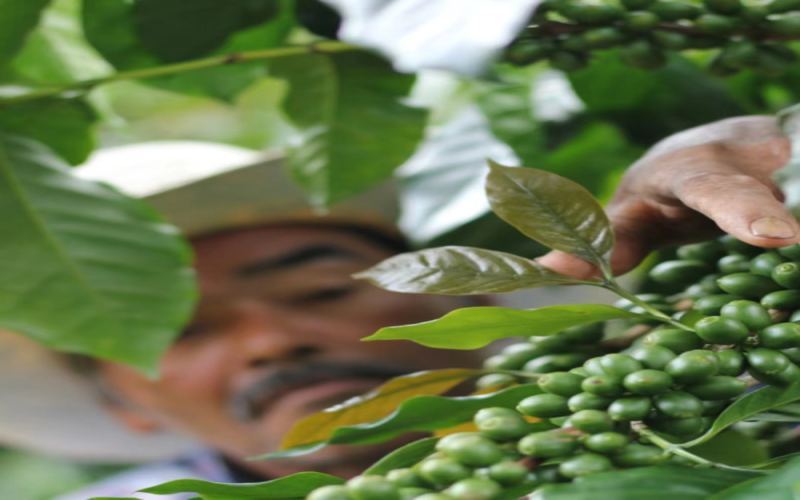
When people mention coffee-producing countries in the Americas, Brazil, Colombia, or Panama are usually the first that come to mind, while Honduras is often overlooked. Yet this mountainous Central American nation, with its high-altitude highlands and tropical rainforest climate, has long since become a major global coffee exporter. From the perspective of Front Street, this article will outline the historical development of Honduras's coffee industry, the distribution of its six core producing regions, the current state of manual harvesting by smallholder farmers, and the diverse post-processing trends that have emerged in recent years. The article will also focus on breaking down Front Street's Honduran Sherry barrel-fermentation process, helping you understand where that hint of whisky and vanilla aroma actually comes from, and will include suitable brewing recommendations. [more…]
Sidamo Alo Village Coffee Beans alo coffee|Introducing the flavor characteristics of coffee beans from Alo Village, Bensa district, Sidamo, Ethiopia
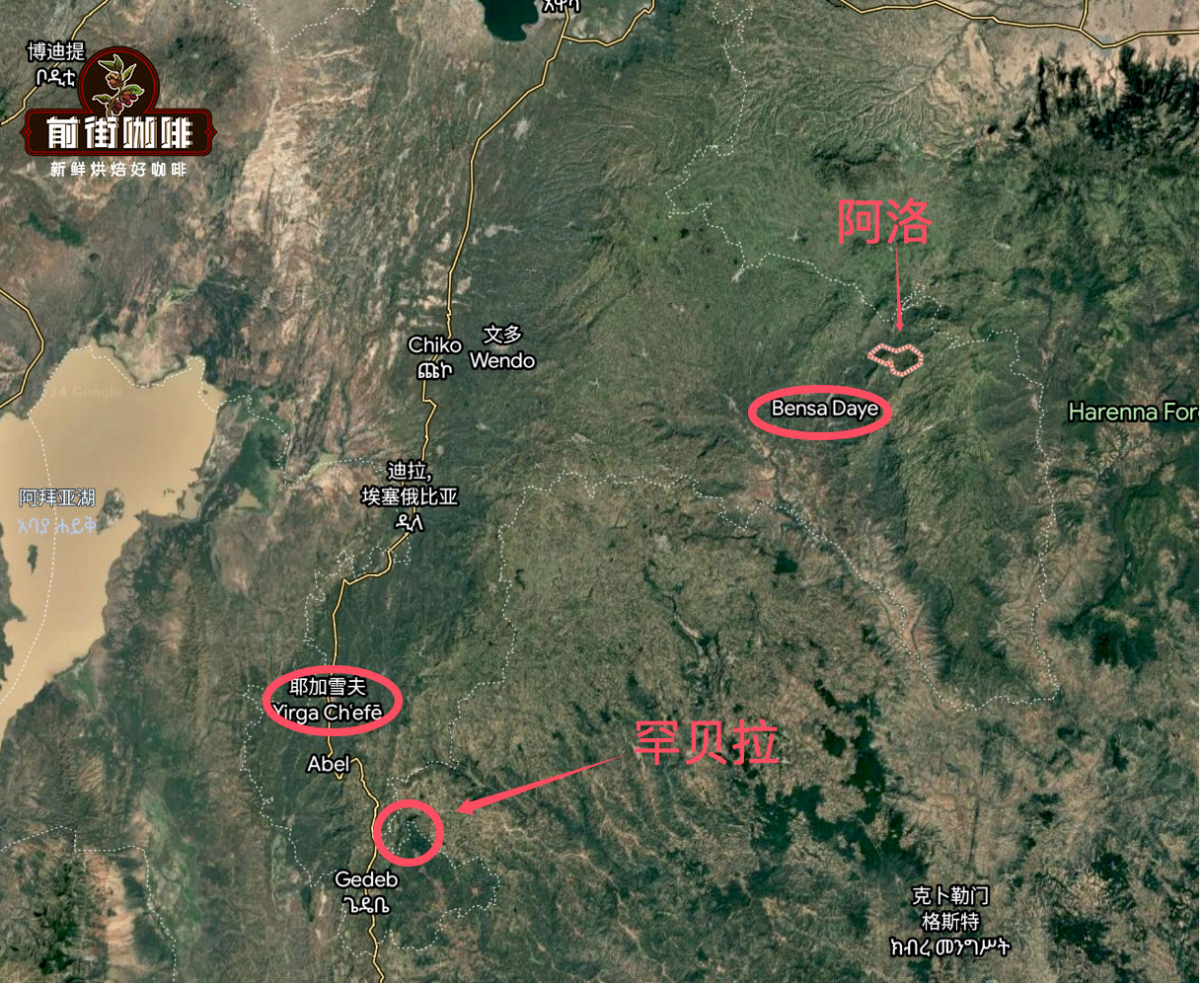
Since the beginning of this year, a coffee origin called Alo Village has quickly risen to fame in coffee circles both at home and abroad, with extremely high exposure and discussion. In conversations with multiple roasters and buyers, Front Street Coffee has also clearly felt the continued rise in popularity of this origin. So, what is it about this suddenly "ubiquitous" Al [more…]
An Analysis of the Differences Between Natural and Washed Processing Methods for Panama Butterfly Coffee Beans: A Full Comparison from Flavor Performance to Brewing Parameters
Front Street Coffee recently launched a Panama Butterfly natural batch, forming an interesting contrast with the commonly seen washed version. Butterfly is a blend of 70% Geisha and 30% Caturra and Catuai, produced in the Boquete Baru Volcano region at an altitude of 1,600 meters. The same beans processed differently present completely distinct personalities: the natural version highlights fermented fruity notes, a full body, and rich layers; the washed version is bright with floral and citrus notes, clean and transparent in flavor. This article systematically reviews the processing characteristics of the two methods, compares the appearance differences between green and roasted beans, records Front Street Coffee's roasting curve, and shares cupping and pour-over parameters to help coffee enthusiasts make a choice based on personal preference. [more…]
Why Is Liberica Coffee So Rare? Characteristics, History, and Pour-Over Flavor Analysis of the Large-Bean Coffee
Among the three major coffee varieties, Arabica and Robusta dominate the mainstream trading market, while the large-beaned Liberica accounts for only about 1% of global economically cultivated coffee production, making it quite rare. This time, Front Street Coffee (FrontStreet Coffee) will introduce Liberica: its plant morphology, fruit characteristics, disease-resistant advantages, and why it is more labor-intensive in post-processing. The article will also sort through its semi-wild cultivation history in Borneo, as well as its appearance and award-winning experience at the 2018 Stuttgart Coffee Summit in Germany. Finally, it will include Front Street's sun-dried Liberica hand-brewing parameters and flavor description to help you fully understand this niche coffee variety. [more…]
An Analysis of the Catimor Coffee Variety's Flavor and a Detailed Guide to the Pour-Over Grind Parameters for Yunnan Small-Bean Coffee
Catimor is a variety widely planted in Asian coffee-producing regions. It is favored by growers for its advantages such as disease resistance, cold tolerance, and high yield, but its flavor performance and fineness of mouthfeel are often discussed in specialty coffee circles. This article will systematically introduce Catimor's varietal origin and flavor characteristics, sort out the cultivation evolution of Yunnan smallholder coffee from Typica to Catimor, and share Front Street Coffee's practical experience in the improvement of Yunnan coffee varieties. At the same time, it will explain in detail the hand-brew grinding setting, coffee-to-water ratio, water temperature, and three-stage pouring scheme for Yunnan coffee beans, helping coffee lovers present the plum-like acidity, brown sugar caramel sweetness, and melon-fruit aroma unique to the Yunnan producing region in a more scientific way. [more…]
Honduras Lychee Orchid Flavor Analysis: Brandy Barrel Fermentation Process and Brewing Parameter Reference
In recent years, the third wave of coffee has given rise to many new-style post-processing techniques, among which anaerobic fermentation and barrel fermentation are particularly eye-catching. As an important coffee-producing country in Central America, Honduras quickly rose to fame in the specialty coffee circle thanks to barrel-fermented beans such as Sherry and Litchi Orchid. This article organizes the underlying principles of barrel fermentation, the background of Honduran producing regions and varieties, the grading system, and Front Street Coffee's practical recommendations for roasting and brewing, to help coffee lovers understand the flavor sources and extraction approaches of these specially processed beans. [more…]
Is Yunnan Arabica Coffee Actually Any Good? An In-Depth Analysis of Front Street Coffee's Baoshan Washed Catimor
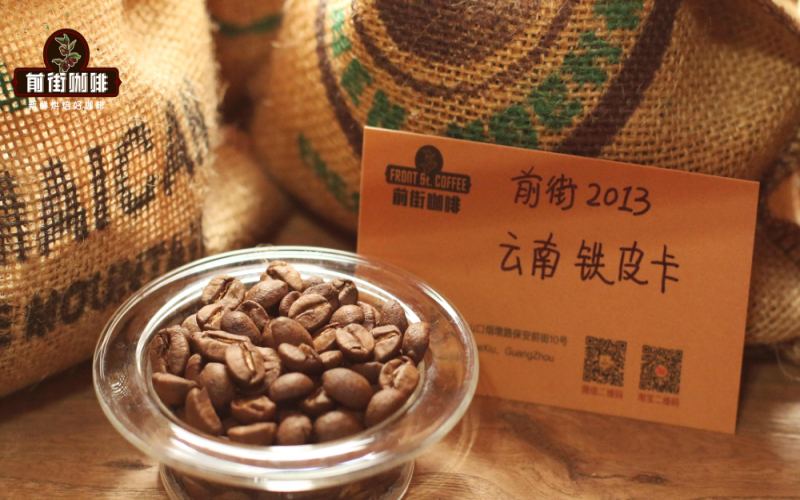
In the past, many people felt that Yunnan coffee was mediocre, which is related to the history of early extensive farming and its primary supply as raw material for instant coffee. Today, with the support of local governments and the push of the specialty coffee wave, Yunnan coffee's cultivation and post-processing levels have made great progress, and it has gradually established regional flavor labels such as plum, nuts, caramel, and tea-like notes. This article starts with the Front Street Coffee staple bean series, focusing on a washed Catimor from the Baoshan region, to clarify its variety background, green bean condition, roasting curve, and brewing plan, and to give its use in espresso blends, helping coffee lovers rediscover the true quality of Yunnan small-bean coffee. [more…]
What Exactly Does Yunnan Small-Bean Coffee Taste Like? A Complete Analysis from Front Street Baoshan Catimor to Dark Cocoa Blend
Many people's impression of Yunnan coffee is still stuck in the past—extensive cultivation methods, beans mainly supplied to instant coffee production lines, and processing that was not refined enough. But now, driven by local government support and the specialty coffee wave, both the cultivation and post-processing of Yunnan coffee have received attention, gradually revealing regional flavors such as plum, nuts, caramel, and tea-like notes. In Front Street Coffee's daily drinking bean series, the one representing the Yunnan region is a washed Catimor from Baoshan. This article will present a complete picture of this bean, from origin selection, green bean condition, roasting curve, to brewing suggestions, and introduce an espresso blend that incorporates Yunnan flavors, helping coffee lovers rediscover Yunnan small-bean coffee. [more…]
Kenyan Pour-Over Coffee Beans: Flavor Characteristics, Growing Regions, and Processing Methods Explained — SL28 and SL34 Varieties and the K72 Washing Process
Kenyan coffee is renowned for its full, solid fruity acidity and juicy mouthfeel, making it a favorite among sour-coffee lovers. Front Street Kenya coffee beans use the two classic varieties SL28 and SL34, sourced from the Asali Honey Processing Plant in the Thika region, and employ a unique 72-hour fermentation washed processing method (K72), presenting intense aromas of cherry tomato, black plum, snow pear, and berries. This article will systematically explain how to brew a good cup of Front Street Kenya coffee, from Kenya's growing environment, coffee variety characteristics, and post-processing methods, to the pour-over parameters of grind size, water temperature, coffee-to-water ratio, and pouring technique. [more…]
Panama Geisha | How is the quality of Hacienda La Esmeralda Green Tip Geisha coffee beans? What are the flavor characteristics of Panama BOP champion Geisha?
Every year, when the green coffee bean competition season arrives, the coffee community starts to get excited. Rubbing their hands in anticipation, they wait for the latest results, then immediately look for opportunities to taste the beans on the list. Besides classic regions like Ethiopia and Brazil, a new rising star region has emerged in recent years. Because of Panama's Geisha [more…]

Geisha Coffee Flavor Description | Where Does the Floral Aroma of Geisha Come From? Which Great-Value, Great-Tasting Panama Geisha Coffees Are Must-Buys for Beginners?
Before Geisha coffee beans became known to the world, everyone sought coffee with a rich, mellow style. But after Geisha emerged, what people pursued was coffee beans with prominent floral aromas, fresh fruity notes, and a bright mouthfeel. The formation of Geisha's floral aroma depends partly on the variety itself, growing conditions, harvesting, and post-processing. [more…]